
Sewage Backup Cleanup in Cedar Valley, UT
Local Response for Cedar Valley Properties
A floor drain backing up in a basement bathroom or a rural septic overflow in Cedar Fort or Fairfield is never a routine wet-vacuum job. Under ANSI/IICRC S500 guidelines, raw sewage is classified as Category 3 (black water) because it carries bacteria, viruses, and parasites. Through our Cedar Valley water damage restoration referral line, homeowners can connect 24/7 with independent local specialists equipped for safe Category 3 mitigation.
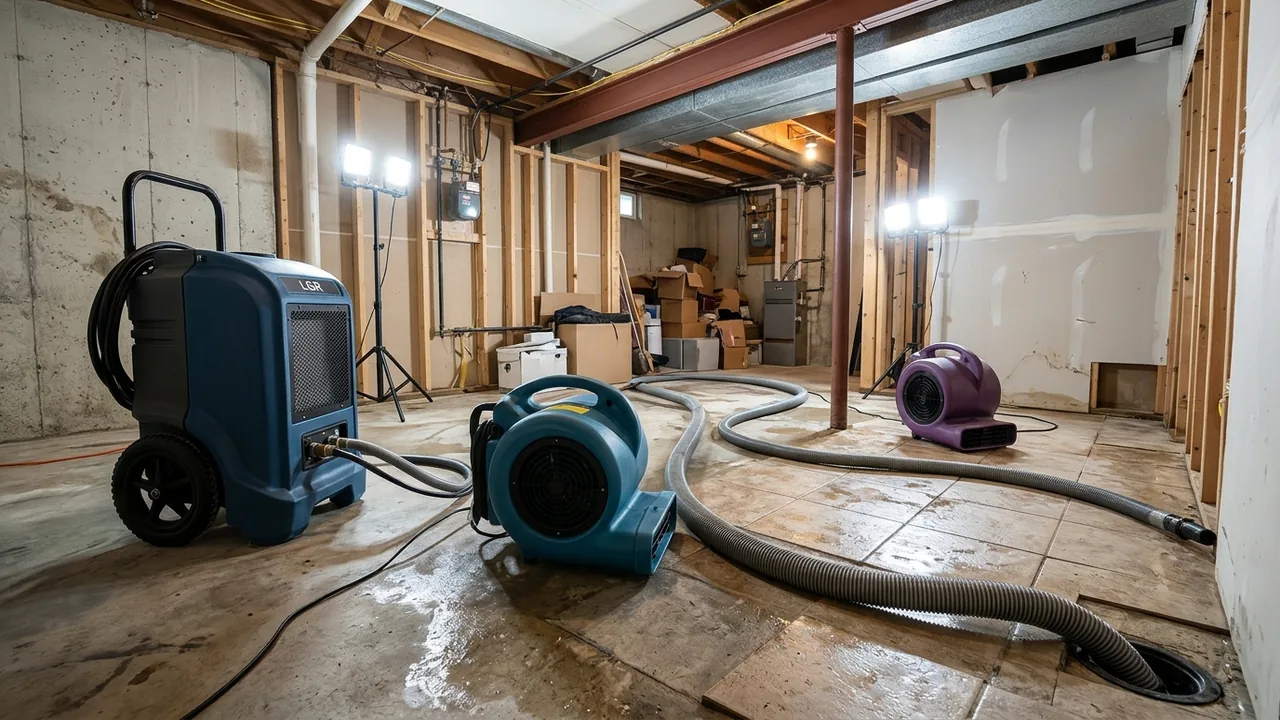
What This Restoration Service Involves
- Immediate isolation of affected rooms using polyethylene containment barriers and negative-air HEPA filtration to stop aerosolized contaminants.
- Dedicated biohazard extraction of standing sewage and solid waste from floor drains, tubs, and basement slabs.
- Safe removal and bagged disposal of contaminated porous materials—including carpet, pad, lower drywall, baseboards, and soaked cardboard.
- Multi-stage cleaning and EPA-registered antimicrobial application on non-porous concrete, tile, and framing lumber.
- Thorough structural drying and odor neutralization once surfaces are sanitized.
Common Warning Signs & Problems Addressed
- Dark, foul-smelling water rising out of basement floor drains, downstairs showers, or toilet bases when upstairs fixtures run.
- Gurgling drains across multiple bathrooms paired with slow drainage or yard seepage over a septic drain field.
- Tree-root intrusion or shifted clay-soil sewer lines causing recurring backups in Saratoga Springs or Eagle Mountain basements.
Step-by-Step Field Mitigation Process
Do not turn on household fans over raw sewage—blowing air across Category 3 water can aerosolize pathogens into clean living areas. Independent restoration crews arrive in full PPE, isolate the zone, extract contaminated liquid with dedicated equipment, remove unsalvageable porous materials (learn why in our water damage categories guide), wash and disinfect structural framing, and then dry the sanitized cavity thoroughly.
Key Cost Factors in Utah County
Category 3 sewage cleanup costs more than clean-water basement flood cleanup due to biohazard PPE, HEPA air scrubbing, antimicrobial treatments, and regulated removal of porous building materials. Note that many homeowners policies require a specific water-backup endorsement—check our Utah insurance checklist and cost calculator.
When to Call Immediately
Call immediately and keep children, pets, and household members completely out of the affected area. Stop running sinks, washing machines, and toilets until a plumber clears the line and a restoration crew sanitizes the space.
Frequently Asked Questions
Can I clean up a small sewage backup myself with bleach?
Household bleach on porous concrete, grout, or drywall does not reliably remove embedded bio-contaminants and creates harsh fumes in enclosed basements. Professional Category 3 crews use containment, HEPA filtration, and EPA-registered antimicrobials.
Should I turn on fans to dry a sewage backup?
No. Running standard fans before sewage is extracted and disinfected can spread contaminated droplets and odors into your HVAC system and upstairs rooms.
Can carpet be cleaned after a sewage backup?
Under ANSI/IICRC S500 standards, carpet and padding saturated by Category 3 sewage cannot be safely restored and should be removed and properly disposed of.